Chholiya Dance of Kumaon: Swordsmanship & Living Folklore
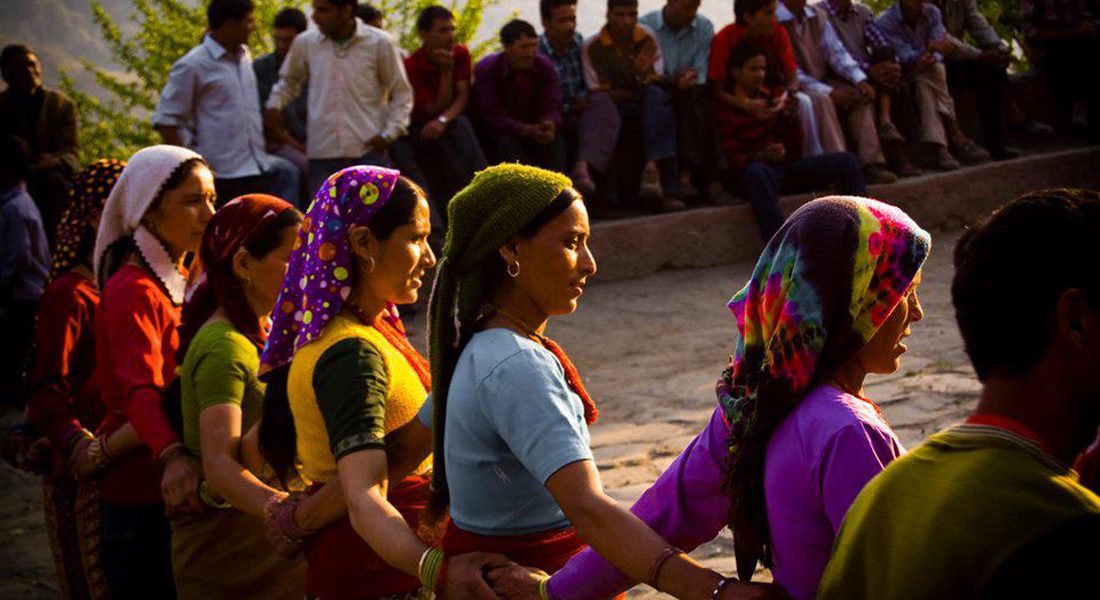
Chholiya is a traditional martial sword-and-shield dance originating over a thousand years ago among the ancient Khasa and Katyuri warrior clans of Kumaon in Uttarakhand. Performed in bright pleated tunics (chola) alongside curved white banners (nishan), curved copper ransingha horns, and dhol-damau drums, teams of sixteen to twenty-two dancers still lead mountain baarat wedding processions today to clear auspicious paths and ward off mountain spirits.
Before modern asphalt roads linked Almora, Pithoragarh, and Champawat valleys, grooms marched on foot across dense forest trails carrying silver palanquins. Armed Chholiya troupes shielded bridal caravans against bandit raids while celebrating marital joy through disciplined sword spins, dramatic lunges, and synchronized leaps over narrow rocky trails.
Historical roots: From battlefield protection to festival blessing
Anthropological surveys across the Indira Gandhi National Centre for the Arts (IGNCA) document Chholiya's evolution alongside old Chand and Katyuri kingdoms between the 9th and 17th centuries. Back then, mountain communities lacked centralized standing armies; village men trained rigorously in swordsmanship (khanda) and circular hide shields (dhal).
Over centuries, active frontier skirmishes gave way to stylized mock-combat choreography. Yet dancers never softened the athletic seriousness behind each step. Today, watching seasoned Chholiyars in Pithoragarh clash cold steel sparks while balanced on sloped courtyard flagstones brings ancient battlefield discipline face to face with modern celebratory village life.
The music and weapons inside a Chholiya ensemble
Every Chholiya performance relies on tight teamwork between armed dancers in front and skilled folk musicians directly behind them.
| Performer Role | Key Instruments / Props | Cultural & Rhythmic Function |
|---|---|---|
| Lead Sword Dancers (Chholiyars) | Two-foot curved iron sword and round rawhide shield (dhal) | Execute synchronized parries, jumps, and circular formations |
| Banner Bearers | Tall silver-topped white/crimson pole flags (Nishan) | Announce royal hospitality and bless advancing wedding groups |
| Dhol & Damau Drummers | Brass kettledrum and deep double-headed wooden drum | Dictate rising combat tempo (taal) signaling blade clashes |
| Brass Wind Blowers | Curved bronze Ransingha and long straight copper Turi | Echo piercing highland fanfare across terraced mountainsides |
| Mashak Been Pipers | Hand-played mountain bagpipe (added from 19th-century Garhwal regiments) | Sustain continuous melodic drone over crisp drum sequences |
Listen closely to how mountain percussion shapes oral ritual heritage across our feature on Uttarakhand folk music traditions and Jagar nocturnal spirit chants.
Distinct styles and costumes across Kumaon
Rather than sitting motionless on city stages, Chholiya dancers dress cleanly in royal Rajput-inspired festive wear tailored for high agility over steep slopes:
- Crisp pleated white cotton tunic (chola or angarkha) cinched firmly around the waist with a wide bright crimson sash (kamarbandh).
- Loose white churidar trousers tucked neatly into ankle-length canvas dancing boots decorated with subtle brass anklets (ghungroo).
- Multi-layered saffron and magenta turban (pagri) accented with kohl around the eyes to sharpen expressive dramatic focus during sword thrusts.
Depending on which district stages the procession, distinct choreography takes shape. Pithoragarh and Champawat troupes specialize in intense multi-man duels (Bisu and Sarau forms), whereas Almora and Bageshwar dancers weave intricate circular floor knots (Chanchari steps) pairing delicate wrist turns with leaping turns around wedding courtyards.
Supporting Chholiya artists beyond wedding seasons
Growing reliance on loudspeaker DJ vans in roadside towns has squeezed traditional Chholiya troupes out of steady year-round bookings. Many younger sons of hereditary Auji and Das musician guilds leave villages for city hospitality wages because seasonal winter and spring wedding income alone cannot cover rising household costs.
Choosing live regional ensembles for destination heritage weddings, inviting rural troupes to school cultural camps across Uttarakhand, and documenting veteran artists inside community projects like the Cultural Archive Map protects real living mountain swordsmanship rather than letting recorded speakers erase centuries of brass horn resonance.
Frequently asked questions
Where can travelers watch authentic Chholiya dance live in Uttarakhand?
Visit Pithoragarh, Bageshwar, Almora, or Champawat between November and June during traditional village wedding seasons, or attend major state heritage gatherings like Nanda Devi Mela (Almora), Uttarayani Mela (Bageshwar), and Jauljibi Fair.
Why are white triangular banners carried ahead of Chholiya sword dancers?
Known as Nishan, these ceremonial flags historically marked honorable truce and royal blessing across Himalayan hill chieftains, alerting villages along ridge trails that an auspicious marriage procession was passing safely.
Are the swords used in Kumaoni Chholiya performances real metal?
Yes. Veteran Chholiyars perform with authentic balanced iron and steel blades (khanda) paired with sturdy treated hide shields, though edges are carefully dulled and controlled strictly through years of supervised rhythmic footwork training.
What is the difference between Chholiya and Garhwali Pandav Nritya?
Chholiya centers on fast martial sword-and-shield footwork performed during mobile Kumaoni processions, whereas Pandav Nritya is a dramatic village storytelling dance spread across multi-night Garhwali harvests enacting episodes from the Mahabharata.