Kumaoni Pichhora: Story Behind Uttarakhand's Ceremonial Bridal Wrap
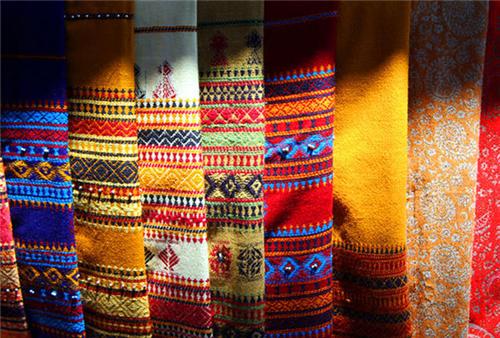
The Kumaoni Pichhora (or Rangwali Pichhora) is a ceremonial yellow-saffron and crimson dyed wrap worn by married women across Almora, Nainital, Pithoragarh, Bageshwar, and Champawat during weddings, Harela, and family pujas. Measuring roughly 2.5 to 3 meters across lightweight voile or silk cotton, its hand-stamped swastika grids, rising suns, bells, and conch symbols carry prayers for marital harmony and household prosperity.
Walk into any Kumaoni wedding courtyard across the hills or metropolitan gatherings in Dehradun and Delhi, and bright marigold-yellow fabrics framed in brick red polka dots stand out instantly over every bridal lehenga and velvet saree. Far more than simple festive outerwear, the Rangwali Pichhora marks the sacred transition of daughter into daughter-in-law while preserving centuries of home-dyeing artistry.
Origin and symbolism of colors on a Pichhora
Traditional families never left Pichhora palette selection to seasonal fashion. Each dye carries distinct cultural meaning drawn from Central Himalayan nature and Shaiva-Shakta devotion.
- Bright turmeric yellow and saffron base: Represents warm spring light, purity, fertility, and the blessings of Surya and Goddess Nanda Devi across auspicious home rituals.
- Deep crimson-maroon border and polka motifs: Symbolizes marital strength (suhaag), courage, and the vibrant scarlet bloom of mountain buransh trees lining springtime slopes.
| Sacred Motif Stamped on Cloth | Symbolic Cultural Meaning | Placement on Traditional Wrap |
|---|---|---|
| Central Swastika Grid | Harmony across four directions and divine welcome | Direct center square surrounded by dots |
| Rising Sun (Surya) | Clarity, energy, and seasonal agricultural abundance | Upper quadrant of central medallion |
| Temple Bell (Ghanti) & Conch (Shankh) | Sacred resonance driving negative distraction away | Flanking edges around central grid |
| Om & Kalash Sacred Pot | Abundance, unbroken lineage, and spiritual shelter | Four corner medallions of the wrap |
You can explore more living visual traditions of Kumaon through our archive on Aipan ceremonial floor paintings.
How village women traditionally dyed the Rangwali Pichhora
Before synthetic screen-printed market fabrics arrived from Surat and Jaipur, mothers and aunts prepared a bride's mait (maternal home) Pichhora completely by hand inside sunny village courtyards across Almora and Haldwani.
- Soaking raw fine cotton cloth: White cotton muslin or soft voile was washed carefully in mountain water to strip away starchy mill sizing.
- Turmeric and Kilmora natural yellow bath: Bundles steeped inside boiling turmeric and wild barberry root baths until deep luminous mustard-yellow settled evenly through every thread.
- Coin-and-thread tie-dye dots (Bandhej): Tiny rice grains or small silver coins were tucked gently beneath damp cotton corners and wrapped tightly with cotton thread to create delicate red-ringed dots.
- Carving and stamping crimson medallions: Natural red clay, geru, madder root (manjistha), or crimson sindoor paste was mixed carefully and stamped cleanly with carved woodblocks and hollow copper pipes shaped like circles.
How Rangwali differs from handwoven woolen shawls
Many urban buyers confuse ceremonial cotton-voile Pichhoras with heavy winter handloom woolens crafted in northern border valleys. While a Pichhora functions primarily as a fine, breathable ritual veil draped diagonally over the head and shoulders during sunny or indoor ceremonies, heavy mountain handwoven Pahadi wool shawls and pankhis crafted by Bhotiya and Rang communities insulate hikers and elders during freezing snow winters. You can learn more about northern textile preservation in our guide to Bhotiya wool weaving heritage.
Keeping artisan Pichhoras alive in modern weddings
Today, fast factory screen printing floods local bazaars with stiff synthetic polyester imitations that slip awkwardly off bridal buns and fade after one gentle rinse. Fortunately, dedicated artisan clusters across Almora, Haldwani, and Ranikhet are reviving authentic pure-cotton, georgette, and silk hand-stamped Pichhoras embellished neatly with delicate brass lace (gota patti) borders.
When shopping for wedding gifting or family festivals like Nanda Ashtami and Vat Savitri, picking breathable hand-stamped cotton from small Kumaon workshops keeps delicate natural dyeing wisdom profitable for rural artisans. Explore authentic mountain crafts directly on our Buransh Tales marketplace.
Frequently asked questions
Who is traditionally allowed to wear a Kumaoni Pichhora?
In traditional Kumaoni families, a Rangwali Pichhora is gifted during marriage and worn exclusively by married women (suhaagan) during weddings, naamkaran naming ceremonies, janeu thread rituals, and festival pujas. Unmarried daughters wear light festive dupattas without the formal bridal saffron-dot motif.
What is the best fabric for buying an authentic Pichhora?
Lightweight pure cotton voile, mulmul cotton, or soft handloom georgette with fine gota borders remain most comfortable and authentic because cotton stays cool and holds natural pins cleanly during long wedding rituals.
Can you machine wash a hand-stamped Pichhora at home?
Never machine wash traditional dye-stamped Pichhoras. Wash gently by hand alone in cold mild water without harsh detergent bleach, and dry purely inside shade rather than harsh afternoon sunlight to preserve crimson vibrancy.
Is the Kumaoni Pichhora also worn in Garhwal?
Yes, though Garhwali women traditionally wear red-bordered yellow scarves or festive chaddars in select regions, growing cultural integration across Dehradun and Haldwani has made the Almora-style Rangwali Pichhora popular across weddings throughout Uttarakhand.