Raw Himalayan Honey vs Store Honey: Apis Cerena Indica Purity Guide
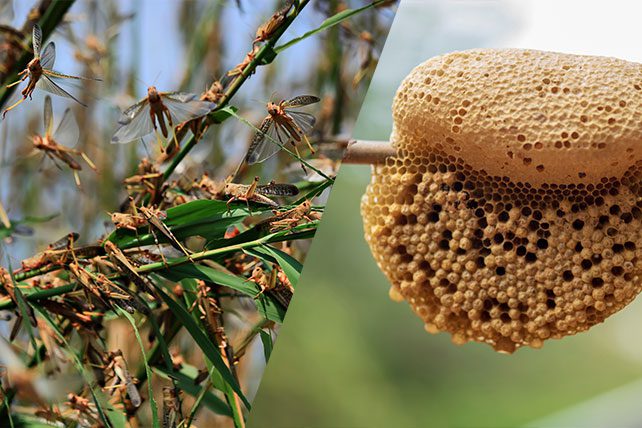
Raw Himalayan honey gathered from indigenous Apis cerena indica bees across Uttarakhand villages contains live natural enzymes, wild alpine pollen, and trace mountain minerals stripped out by industrial ultrafiltration. Unlike commercial store jars commonly pasteurized above 70 degrees Celsius or blended with rice and corn syrups, genuine mountain honey comes from unheated stone wall hives and oak log hives placed among wild mustard and medicinal meadows.
As news investigations expose widespread adulteration in commercial honey bottles worldwide, Indian families increasingly look toward transparent mountain apiaries. Knowing how indigenous hill bees work, why pure honey naturally turns thick and granular each December, and how to read nectar provenance protects both your kitchen budget and daily health.
Meet Apis cerena indica: The gentle Himalayan native bee
Unlike large European commercial honeybees (Apis mellifera) trucked inside wooden boxes across chemically sprayed mustard and orchard farms on the plains, Apis cerena indica is the smaller, hardy mountain bee native to Indian alpine terrain. In Tehri Garhwal, Chamoli, and Kumaon houses, villagers build small hollow stone niches (jalotas) straight inside outer thick mud-stone cottage walls.
Because native mountain bees tolerate freezing snow winds down to 5 degrees Celsius, they forage early spring wild fruit trees, mountain buransh blossoms, wild thyme, and summer Himalayan wildflowers completely free of synthetic orchard pesticides. Each wall hive produces small seasonal batches of five to eight kilograms, resulting in intensely aromatic, darker nectar layered with medicinal plant pollen.
Raw mountain honey vs commercial supermarket jars
Processing temperature and filtration mesh determine whether your daily spoonful stays a living nutritional tonic or simply liquid sugar.
| Quality Attribute | Raw Himalayan Mountain Honey | Commercial Supermarket Honey |
|---|---|---|
| Bee Species & Habitat | Wild Apis cerena indica in mountain wall/log hives | Industrial Apis mellifera fed sugar water during lean months |
| Processing Heat | Unheated and raw (below hive temperature ~35°C) | Flash pasteurized above 70°C to delay granulation |
| Filtration Standard | Coarsely strained cleanly to retain live wild pollen | Ultrafiltered under high pressure stripping pollen traces |
| Winter Texture Behavior | Crystallizes smoothly into golden creamy granules | Remains unnaturally runny across freezing winters |
| Purity Traceability | Clear district/SHG harvest labeling in Uttarakhand | Multi-country commodity tanker blends with C3/C4 syrup risk |
Explore single-origin mountain harvests stocked directly from Tehri and Dehradun beekeeping collectives on Buransh Tales, including Hilans Himalayan Multi-Floral Raw Honey, PeakPure Wildflower Honey, and Women Co-op Wild Indica Honey.
Why crystallization is proof of pure raw honey
The biggest consumer misconception in India leads people to throw away pure mountain jars the first time winter frost arrives. Natural glucose in unheated nectar separates gradually from fructose around tiny wild pollen grains once indoor temperatures dip below 16 degrees Celsius, forming soft golden crystals.
Instead of signaling sugar adulteration, natural smooth crystallization proves the jar escaped high-heat industrial pasteurization and micro-filtration. Simply sit your tightly closed glass honey jar inside a bowl of warm (never boiling) water at roughly 40 degrees Celsius for ten minutes to melt crystals back smoothly while preserving healthy enzymes like diastase and invertase.
Best ways to protect nutrients during daily use
Adding raw mountain honey carelessly to boiling drinks destroys the very antioxidants you paid for. Follow four gentle pantry habits:
- Cool warm lemon water or herbal green tea below 45 degrees Celsius until safe to sip comfortably before stirring in a teaspoon of honey.
- Store jars tightly sealed inside dry dark cupboards at room temperature rather than placing them in a damp refrigerator, which accelerates hard crystallization.
- Scoop strictly with dry stainless steel, ceramic, or wooden spoons to keep wild fermentation yeasts away from high moisture.
- Keep raw unpasteurized honey completely out of diets for infants under 12 months old, following standard pediatric guidelines from the World Health Organization (WHO).
Supporting mountain biodiversity through ethical honey
Every healthy wild bee colony pollinates hundreds of hectares of wild Himalayan apricots, apples, mustard, and native timber trees. Buying ethically gathered jars through transparent collectives listed on our Hillsome store page protects native Apis cerena indica genetics and encourages rural youth to restore traditional stone wall hives rather than replacing them with concrete walls.
Frequently asked questions
Does pure raw Himalayan honey ever expire or spoil?
Properly sealed raw honey contains natural low moisture (under 18%) and natural hydrogen peroxide enzymes, preventing bacterial growth indefinitely when stored dry at room temperature.
Is the famous water glass test reliable for checking pure honey?
The cold-water drop test fails frequently today because modern industrial syrups mimic viscosity closely. Reliable assurance comes from checking smooth winter granulation, multi-floral wild aroma, FSSAI transparency, and traceable mountain producer groups.
Why does raw Himalayan honey sometimes taste slightly spicy or woody?
Bees gathering nectar in oak forests, wild rosemary patches, or autumn bhangjeera and eucalyptus blooms transfer distinct botanical terpenes and mild tangy warmth into seasonal autumn harvests compared with uniform spring nectar.
Can people watching blood sugar eat raw honey daily?
Although raw honey holds trace antioxidants and registers a slightly lower glycemic index than refined table sugar, it remains roughly 80 percent natural sugars. People with diabetes should measure portions strictly alongside physician guidance.