
Naulas and Dhaaras: How Uttarakhand Stone Water Temples Survived
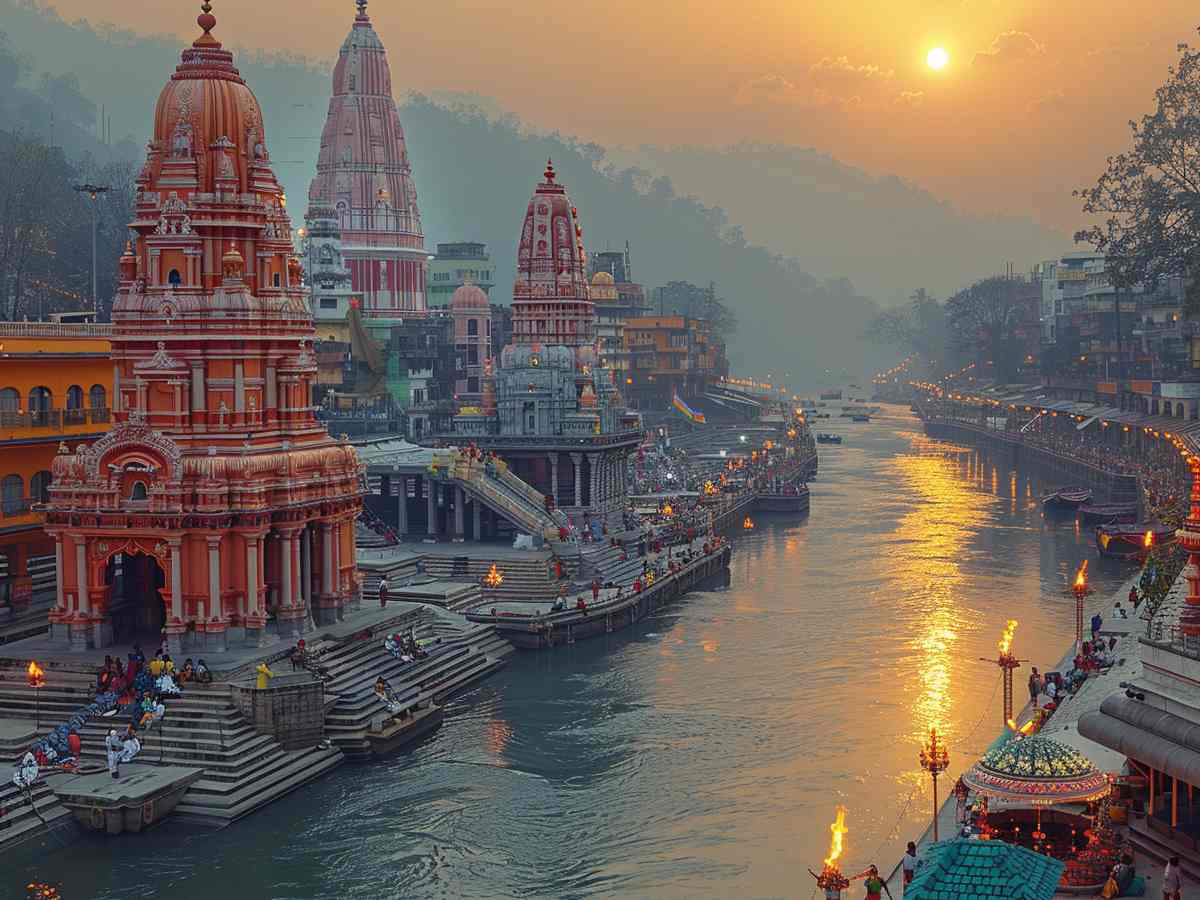
Naulas and Dhaaras are centuries-old carved stone groundwater shrines built by the Katyuri and Chand rulers of Uttarakhand between the 7th and 18th centuries to harvest subterranean mountain seepage safely without electric pumps. In older hill towns such as Almora, Champawat, and Bageshwar, more than 300 surviving stone naulas still yield cool mineral-filtered drinking water year-round while functioning as neighborhood social courtyards.
Long before municipal pipeline shortages hit rapidly expanding concrete resorts across the Lesser Himalayas, Pahadi communities treated drinking water springs like living temples. Understanding how dry-stone masonry, sacred tree groves, and strict hygiene rules kept subterranean aquifers recharging for a millennium gives urgent lessons for modern climate-stressed towns across India.
How stone Naulas differ from mountain Dhaaras
Though people often group every village spring under one word, ancient Pahadi hydrologists engineered two distinct stone structures based on local rock geology and aquifer pressure.
| Feature | Himalayan Naula (Step-Well Shrine) | Mountain Dhaara (Spout Spring) |
|---|---|---|
| Physical Structure | Recessed covered stone chamber with descending terraced steps | Carved horizontal stone gargoyle (makara or lion mouth) projecting outward |
| Aquifer Source | Captures slow, low-pressure subsurface seepage between rock seams | Channels strong free-flowing gravity spring emerging directly from hillsides |
| Water Storage | Collects gently into an open cool reservoir shaded by stone slabs | Flows continuously; users fill brass gagars directly under free spout |
| Architectural Focus | Protected courtyard often topped by shikhara carvings of Vishnu or Shiva | Open roadside stone platform convenient for passing hikers and pack mules |
Explore stone and timber architectural mastery across the hills in our study of Uttarakhand wooden and stone Koti Banal architecture and sacred oak groves.
Engineering genius inside a Katyuri Naula
Staring inside Badrishwar Naula in Almora or Ek Hathiya Naula in Champawat reveals why medieval masons built far more than simple stone tanks. Artisans deliberately avoided thick waterproof mortar along the bottom floor, setting dry fitted stone joints gently over sand, fine charcoal, and gravel beds so natural groundwater could seep cleanly upward while filtering silt out.
Heavy stone canopies protected shallow reservoirs from scorching noon evaporation and falling windborne dust. Immediately above every spring recharge zone up the hillside, elders planted broad-leafed Himalayan Banj oak (Quercus leucotrichophora) and Rhododendron belts alongside small rainwater check trenches (khals). Oak leaf litter acted like a giant cold sponge during August monsoons, holding rainwater slowly inside fractured quartz rocks so stone Naulas below stayed clear even in peak May drought.
Why Uttarakhand's ancient springs are drying rapidly
Surveys led by institutions including the G.B. Pant National Institute of Himalayan Environment warn that nearly half of perennial mountain springs across the Central Himalayas have either turned seasonal or dried sharply over recent decades. Three overlapping pressures drive this loss:
- Concrete road blasting and unplanned multi-story hillside excavation fracture fragile underground rock veins, redirecting mountain rainwater rapidly down ravines instead of soaking into recharge zones.
- Replacement of native broadleaf Banj oak forests with fast-growing monoculture Chir pine (Pinus roxburghii) increases forest fires and drops impenetrable dry needle carpets across topsoil, starving aquifers of monsoon percolation.
- Cementing over stone paths and septic leakage near expanding hill bazaars contaminates remaining groundwater seepage inside unlined heritage tanks.
Village revival efforts in Almora and Pithoragarh
Hope returns quickly whenever local Van Panchayats and youth collectives adopt spring-shed science alongside traditional faith. Across pockets of Bageshwar, Almora, and Tehri Garhwal, community groups now map exact mountain recharge zones uphill above drying Naulas, dig staggered contour trenches before monsoon rains arrive, clear plastic bottlenecks from clogged stone drains, and plant native oak, utis, and kaafal saplings around watershed boundaries.
Travelers visiting Almora or Champawat can support living preservation directly by choosing homestays committed to local watershed health, keeping footwear strictly off inner carved stone steps at working heritage Naulas, and never discarding plastic wrappers near roadside springs.
Frequently asked questions
Are the ancient Naulas of Almora still safe for drinking water?
Active protected Naulas situated away from heavy commercial town drains, such as traditional forest-fed springs in Champawat and upper Almora villages, yield fresh cold mineral water, though travelers visiting crowded urban stretches should boil or filter untreated spring water as a precaution.
Why do most stone Naulas feature carved lion heads or deity shrines?
Linking water structures directly to sacred iconography (especially Vishnu, Shiva, and local river goddesses) established powerful community discipline against polluting pools with soap, dirty laundry, or livestock waste.
What is the famous Ek Hathiya Naula in Champawat?
Located roughly five kilometers from Champawat town, Ek Hathiya Naula is an intricately carved stone water monument built traditionally by a master sculptor who completed the entire structure using a single hand.
How can visitors respect sacred springs across Uttarakhand?
Remove shoes cleanly before descending onto the inner stone ledge, avoid dipping muddy hands or unwashed vessels into the calm main reservoir (always use a clean long-handled ladle where provided), and leave surrounding oak groves spotless.