
Uttarakhand's Winter Diet: Mandua, Gahat & Jakhya Immunity Guide
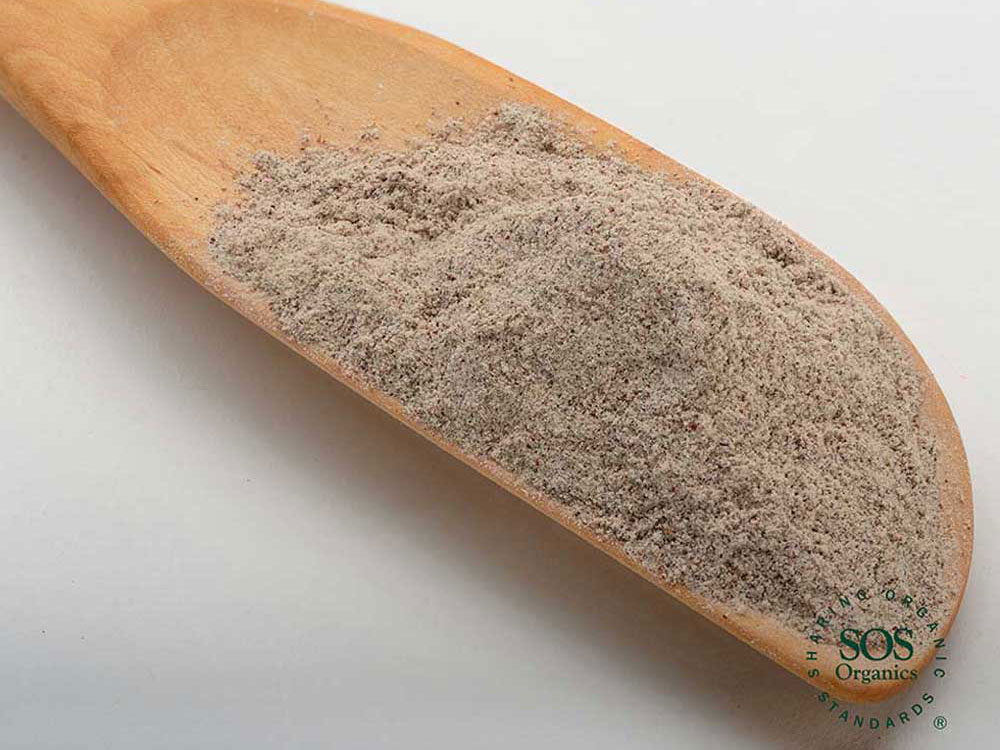
Table of Contents
- Comparing Uttarakhand's core winter staple ingredients
- 1. Mandua Atta: Slow-release warmth and bone calcium
- 2. Gahat ki Dal and Phanu: Thermal kidney and gut support
- 3. Jakhya Tadka and Pisyun Loon: Digestive winter aromatics
- Practical guide to adding Pahadi staples into city diets
- Frequently asked questions
Uttarakhand's traditional winter diet centers on naturally warming mountain crops such as Mandua (finger millet), Gahat (horse gram), Bhatt (black soybean), and Jakhya (wild mountain mustard) harvested from rainfed hill terraces. Packed with bioavailable iron, plant protein, dietary calcium, and thermogenic oils, these crops sustain cold-weather stamina and digestion across sub-zero Garhwal and Kumaon winters.
Before modern insulated kitchens and year-round trucks connected high Himalayan villages, winter eating had to deliver real metabolic warmth without sluggish heaviness. Every traditional meal from crisp Mandua ki Roti smeared with homemade Pisyun Loon to dark iron-pot Gahat ka Phanu balances calorie density with gut-friendly fiber.
Comparing Uttarakhand's core winter staple ingredients
Each regional ingredient serves a clear seasonal metabolic function rather than acting simply as filler calories.
| Pahadi Staple | English / Botanical Name | Key Nutrients Per 100g | Traditional Winter Preparation |
|---|---|---|---|
| Mandua (Koda) | Finger Millet (Eleusine coracana) | High calcium, iron & 7.3g protein | Thick soft rotis served with ghee or jaggery |
| Gahat Dal | Horse Gram (Macrotyloma uniflorum) | 23g protein, zero sugar & rich fiber | Simmered winter soup, Phanu, or crispy pakodas |
| Safed / Kala Bhatt | Himalayan Soybean (Glycine max) | 36g–39g protein & omega fatty acids | Roasted iron-pot Bhatt ki Churkani with rice |
| Kala Til | Black Sesame Seeds | 23g protein & 29g warming healthy fats | Ground Til ki Chutney & sweet winter ladoos |
| Jakhya | Wild Mountain Mustard (Cleome viscosa) | Aromatic crunch & digestive warming oils | Crackled directly in hot cow ghee for tadka |
Browse authentic single-origin harvests directly on our Uttarakhand Marketplace or explore verified Hilans foodgrains and pulses.
1. Mandua Atta: Slow-release warmth and bone calcium
Mandua (ragi) outshines refined white wheat during frost months because complex millet starches digest steadily over four to five hours. According to data highlighted by the Food and Agriculture Organization (FAO) on millets, finger millet delivers roughly ten times the calcium of polished rice or common wheat flour.
In village kitchens, mixing two parts warm stone-ground Mandua Atta with one part whole wheat kneads easily into nutty, chocolate-brown flatbreads. Pairing freshly toasted Mandua roti with a dollop of white butter or warm Bilona cow ghee and crumbly village jaggery shields against winter chills while supporting steady hemoglobin.
2. Gahat ki Dal and Phanu: Thermal kidney and gut support
Known across the hills as the ultimate winter pulse, Gahat warms internal circulation within minutes of finishing a steaming bowl. When soaked overnight, coarsely stone-ground with mild spices, and simmered gently (Phanu), its rich soluble fibers coat digestion cleanly while helping prevent cold-season kidney crystal formation caused by drinking less water in winter.
For a quick weeknight broth, pressure cook Tehri Pahadi Gahat Dal with extra water, skim off nourishing stock for soup seasoned with crushed ginger, black pepper, and fresh coriander leaves, and serve hot before dinner.
3. Jakhya Tadka and Pisyun Loon: Digestive winter aromatics
Cool winter appetites often struggle to digest dense mountain lentils without gas or bloating. Pahadi cooks solve this cleanly using two aromatic boosters:
- Jakhya (Cleome viscosa): Tiny matte brown wild seeds gathered along summer terrace margins crackle loudly the instant they hit hot mustard oil or ghee, releasing sharp warming oils over potatoes (Aloo ke Gutke), spinach greens, and yellow dals. You can stock whole dried Wild Mustard Jakhya right in your urban spice rack.
- Pisyun Loon (Silbatta Flavoured Salt): Grinding mountain garlic leaves, fresh ginger, dried red chillies, coriander, and rock salt cleanly on granite stone produces Pahadi Silbatta Flavoured Salt, sparking digestive enzymes alongside tangy winter malta citrus wedges or hot Mandua rotis.
Practical guide to adding Pahadi staples into city diets
Transitioning from polished plains grains to dense mountain superfoods works smoothest when done gradually across one week:
- Start blending 30 percent Mandua flour into your everyday chapati dough before baking full 100 percent millet breads.
- Soak whole mountain pulses like Gahat, Bhatt, and Pahadi Rajma for at least eight hours in room-temperature water and discard soaking liquid before cooking to reduce cooking gas.
- Fry Kala Til black sesame seeds gently dry in an iron skillet for 60 seconds and grind with raw garlic and lemon juice for an effortless calcium-rich weekday chutney.
- End winter dinners cleanly with steamed mountain grains like Jhangora barnyard millet cooked soft with light cumin and ghee instead of heavy refined flour meals.
Frequently asked questions
Is Mandua Atta good for managing winter weight gain and blood sugar?
Yes. Finger millet contains high dietary fiber and polyphenols that slow glucose absorption smoothly, keeping winter sugar cravings balanced and maintaining stable blood sugar levels.
Why do Uttarakhand families cook winter lentils inside an iron kadhai?
Slow-simmering acidic pulses like Bhatt and Gahat inside thick unlined cast-iron pans naturally releases mild bioavailable iron into the broth, turning gray curries deep rich black while fighting seasonal fatigue.
Can children eat Pahadi Gahat dal safely?
Yes. Cooked softly into thin, mild ginger-seasoned lentil soup or mashed lightly into Khichdi, Gahat offers gentle plant protein and digestive warmth suitable for school-aged children in moderate winter portions.
Where can I buy genuine unpolished winter mountain grains online?
Direct producer collectives listed on Buransh Tales ship fresh-harvest Tehri and Kumaon millets, black soybeans, Jakhya seeds, and stone-ground flours directly across India through verified seller storefronts like Hillsome.